
ΔS > 0

Rha
Rha was born as an artist in Bologna in 1999, when he installed the first version of Cool Edit on an old Pentium II. From that moment on, he began experimenting with digital sounds and exploring contemporary electronic music. Along this path of research, a defining revelation was Aphex Twin. His music clearly shows a strong influence from British electronic music, particularly the scene surrounding the iconic Warp label. For many years, he remained in the shadows, producing music privately and rarely sharing it with others. The opening of a MySpace account marked the emergence of a need to open up to an audience. A few months later, he was contacted by the net label Musicaoltranza, which distributed his first official release, Morning Sun, through various platforms such as Juno.co.uk and Beatport. His first live performance took place at the end of 2007 at Kindergarten in Bologna, where he was contacted by the label Katsuto, which provided him with booking services. This led to performances in several Bologna venues and social centers, including Arteria, Crash, Ex-Mercato, and Alto Tasso. His most significant release is undoubtedly La caduta di Alice, an album released by Musicaoltranza. Tracks from this album were selected for numerous chill-out compilations. Another notable release is ex-songs, a collaboration with Kendra. Since then, he has continued to work in the shadows — and in the end, that’s fine, because it’s just little pieces of music.
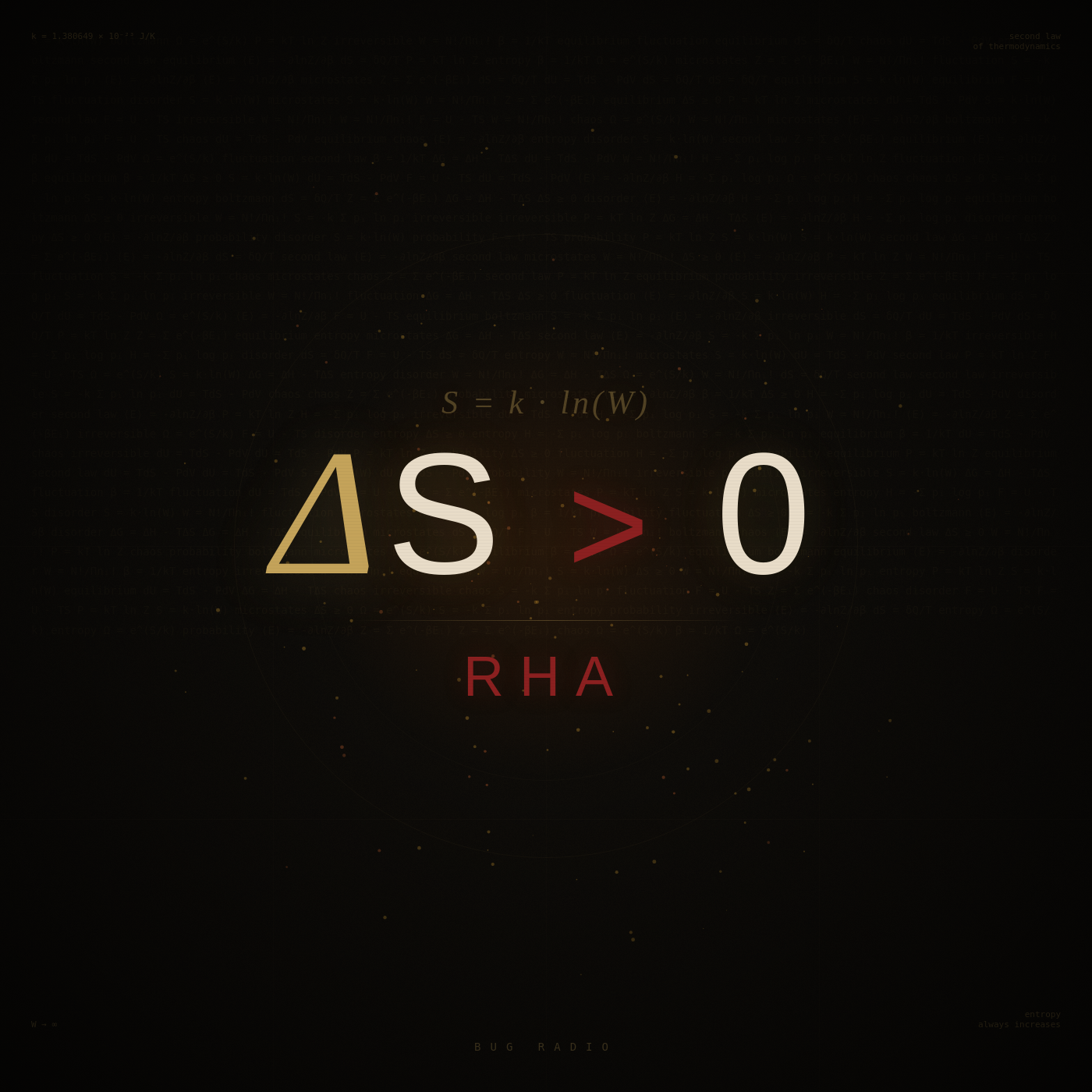
ΔS > 0. Entropy always increases. It's the second law of thermodynamics, and the only rule of this show. This is a system with too many microstates to predict: old tapes, stolen voices, runaway rhythms, music overlapping without asking permission. Every object emits a different frequency, every corner stores a moment — the chase, noise, collage, tension, dissonance, and warped, awkward tempos. In thermodynamics, entropy measures the number of possible configurations of a system. The higher the entropy, the more disorder, the more information. Here, every broadcast is a different configuration of the same accumulated matter. Nothing is in the right place, but nothing is there by chance. Sometimes it sounds like an archive, sometimes a warehouse, sometimes a crime scene. What goes on air is whatever reaches thermal equilibrium in that moment: found, moved, switched on, and put back down. S = k · ln(W). The more ways you can rearrange the pieces, the higher the entropy. This show has a lot of pieces.
EPISODES
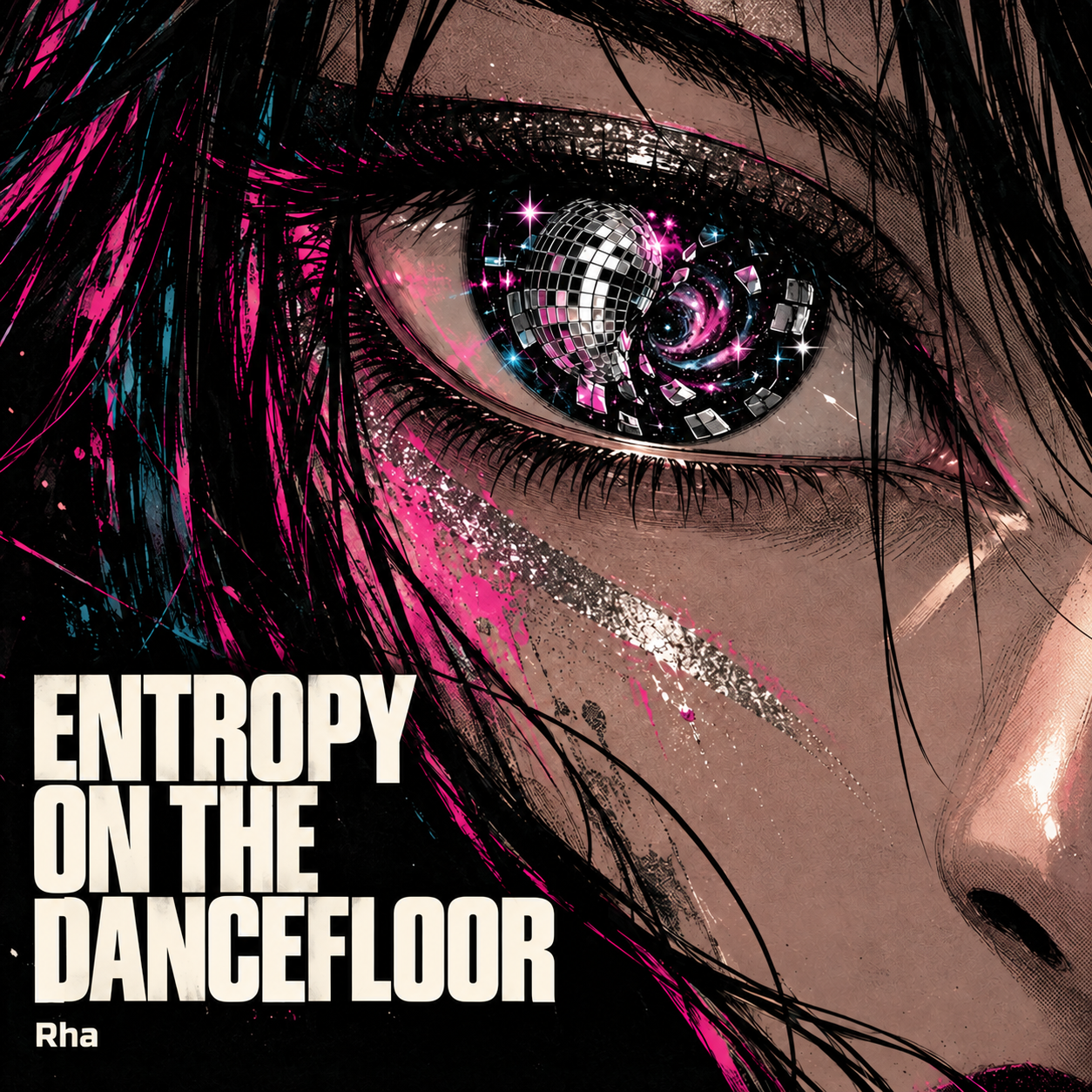
Entropy on the Dancefloor
15 October 2026Quando i confini iniziano a cedere la musica diventa più forte della ragione e il corpo ricorda qualcosa che la mente aveva dimenticato. Un passo, un...
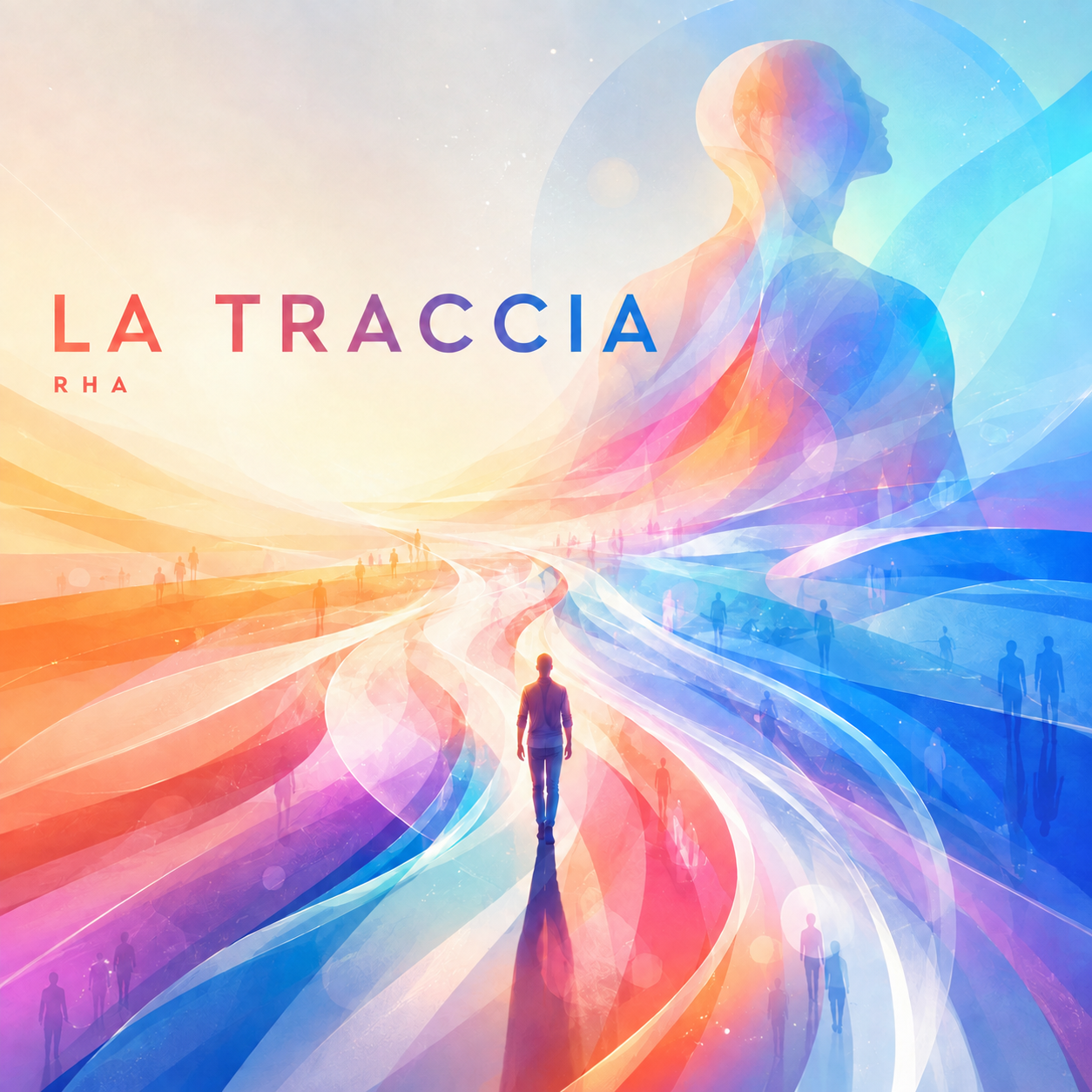
La traccia
20 August 2026Succede che, mentre cerchiamo una risposta, persone, parole e pensieri comincino stranamente a convergere, come se qualcosa là fuori facesse eco a ciò...
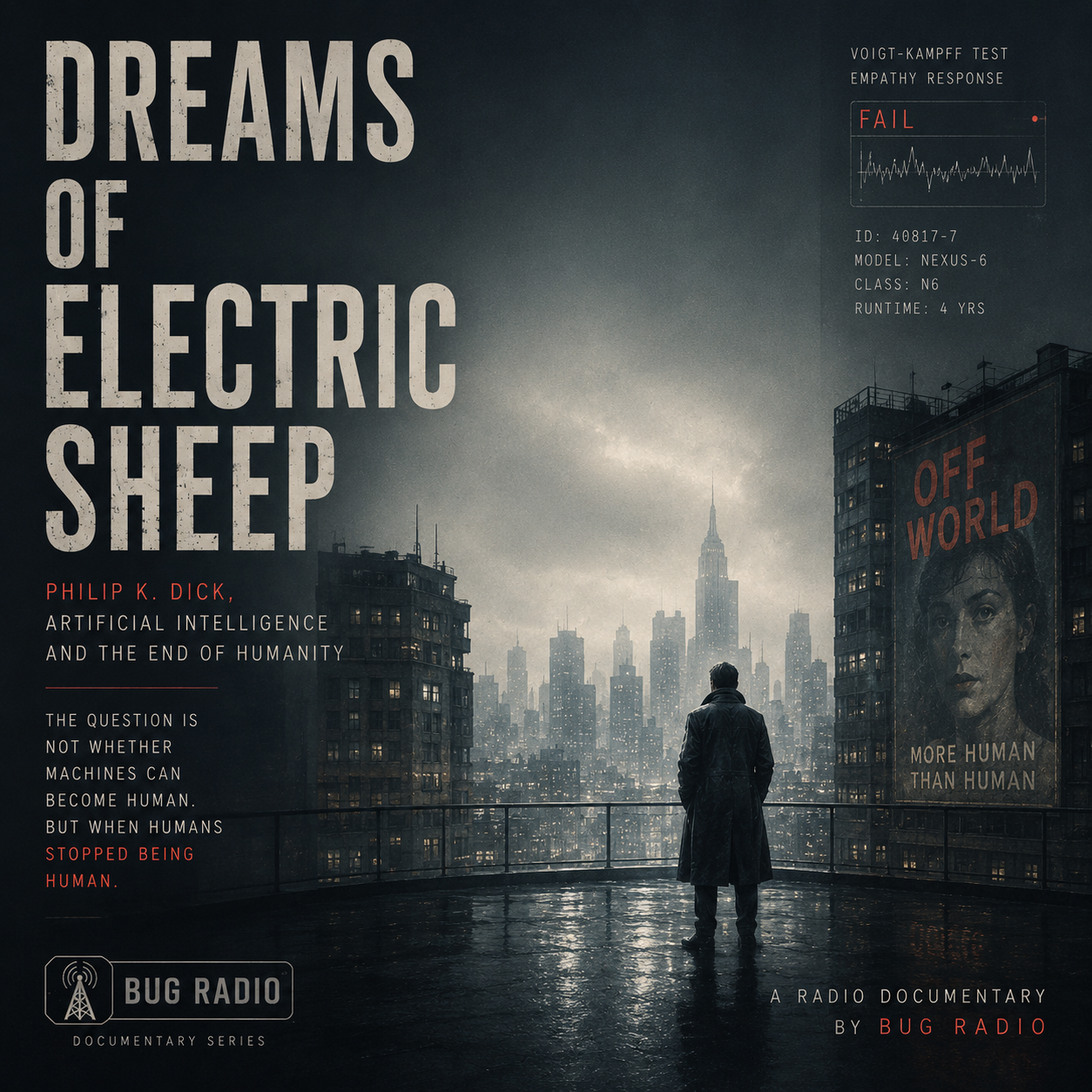
Dreams of Electric Sheep
9 July 20261968 Philip Dick immagina un mondo in cui le macchine provano emozioni e gli umani le hanno perse. I replicanti amano, hanno paura, vogliono vivere. G...
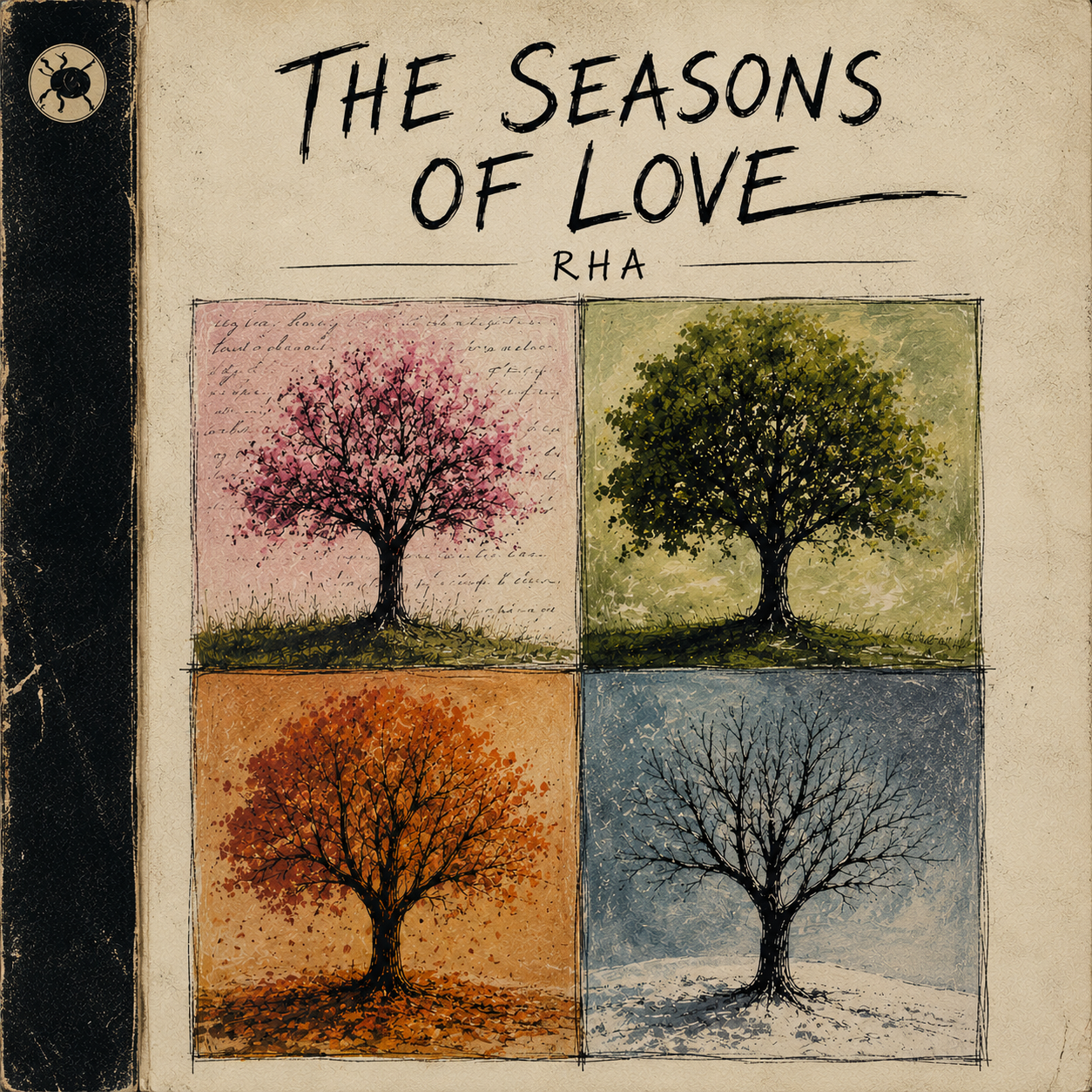
The Seasons of Love
11 June 2026Dall'innamoramento alla nostalgia, dall'attesa al ricordo. Questa puntata è dedicata alle molte stagioni dell'amore, inteso non solo come sentimento, ...
Unstable Threshold
7 May 2026Yin and yang are not opposing forces in conflict, but two halves that contain each other. Within the white there is always a trace of black, within th...
Deus Vult
9 April 2026In 2018, Pete Hegseth, then a Fox News host, was in Jerusalem. He listed four miracles: 1917, 1948, 1967, 2017. Then he said there was no reason why t...